Gunpowder RIVERKEEPER® Middle River Pilot Monitoring Program: Monitoring Location Access Needed!

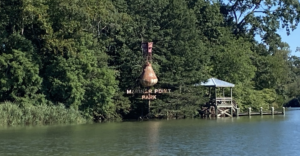
We’ve heard the questions: Where is the Middle River monitoring data? Why aren’t you monitoring Middle River? Since we’ve been able to increase our monitoring capacity, it’s time to expand our monitoring program on Middle River, but we still need your help! Do you have access to a dock on a Middle River tributary? If …

Read more

Public Input Period for Updated Waters of the United States (WOTUS) Proposed Rule Ends October 9th

On September 4, 2026, the U.S. Environmental Protection Agency and the Department of the Army (“the agencies”) announced the signing of a Supplemental Notice of Proposed Rulemaking (SNPRM) to gather input on additional regulatory alternatives they will consider alongside the 2025 Updated Definition of “Waters of the United States” proposed rule. The SNPRM was published …

Read more

Community Input Session for Foster Branch and Gunpowder River Remediation and Restoration Projects to be held October 7, 2026

Join us, Chesapeake Bay Trust, and your fellow invested community members for a Community Input Session to discuss possible projects to put the available funding to use. Who: Chesapeake Bay Trust, your neighbors, and you What: Listening Session to hear from community members on their project priorities for Restoration and Remediation funding Where: Mariner Point …

Read more

Action Alert: Tell the U.S. Government Office of Management and Budget Your Thoughts on Grant Funding Regulations

On July 9th, Gunpowder RIVERKEEPER® took part in a webinar hosted by The Conservation Capacity Project to review the changes proposed by the US Office of Management and Budget regarding litigation, regulations, and Executive Orders from the past 18 months affecting federal funding. Gunpowder RIVERKEEPER® is not currently the recipient of federal grant moneys directly, …

Read more

Bacterial Sources in the Gunpowder River

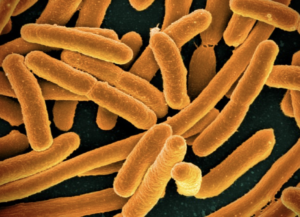
Memorial Day through Labor Day, Gunpowder RIVERKEEPER® conducts weekly bacterial water quality monitoring to inform river users of conditions that are more likely to result in bacterial infection. These conditions usually occur after periods of heavy rainfall as the stormwater runoff carries surface pollutants and discharges into the waterways. E. Coli is one of a …

Read more