
Memorial Day through Labor Day, Gunpowder RIVERKEEPER® conducts weekly bacterial water quality monitoring to inform river users of conditions that are more likely to result in bacterial infection. These conditions usually occur after periods of heavy rainfall as the stormwater runoff carries surface pollutants and discharges into the waterways.
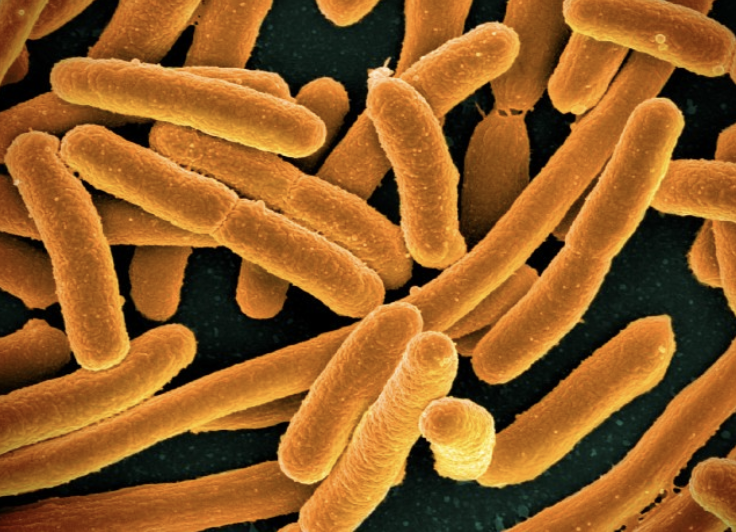
E. Coli is one of a large group of bacteria called total coliforms. Coliforms are bacteria that are found in the intestinal tracts of warm blooded animals. A subset of these coliform are fecal coliform, which are associated with human and animal waste. A smaller subset of these are the harmful pathogens that have the potential to make those that come in contact with them sick. However, we can’t test for these harmful pathogens on their own since it can be incredibly difficult to analyze as they are time-consuming, and expensive to find individually. In order to test the water quality of a stream we use what’s called an indicator species whose presence or absence can help us determine water quality within a stream.
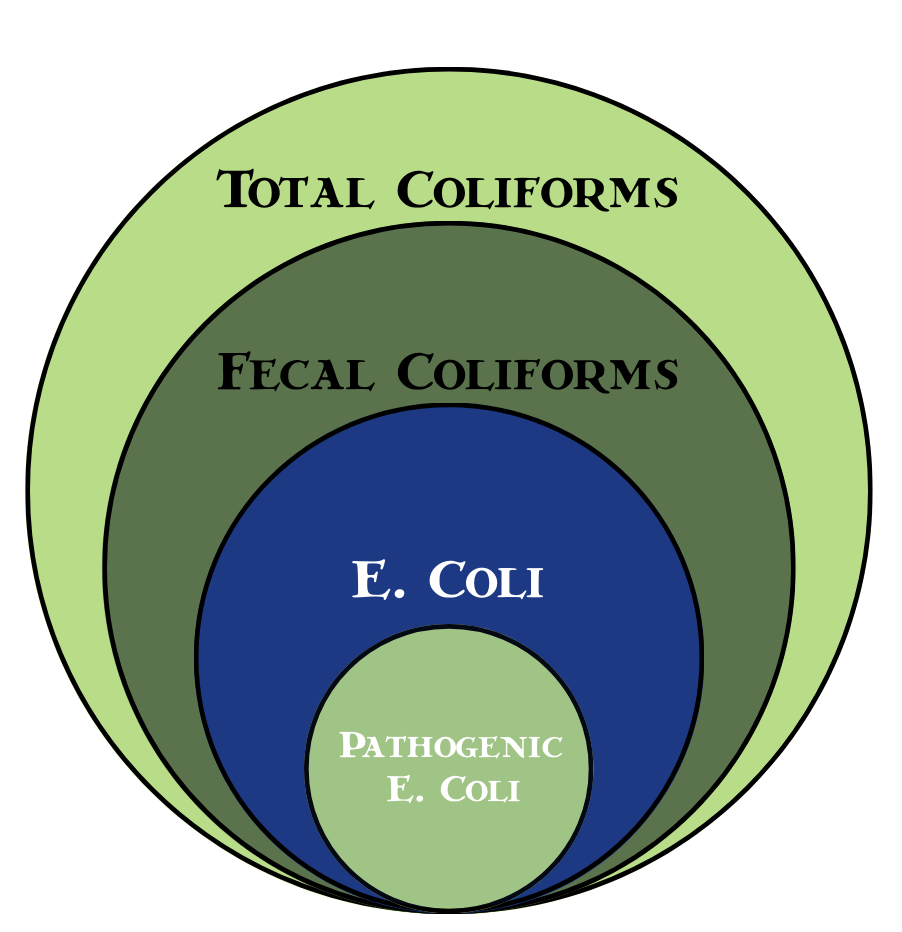
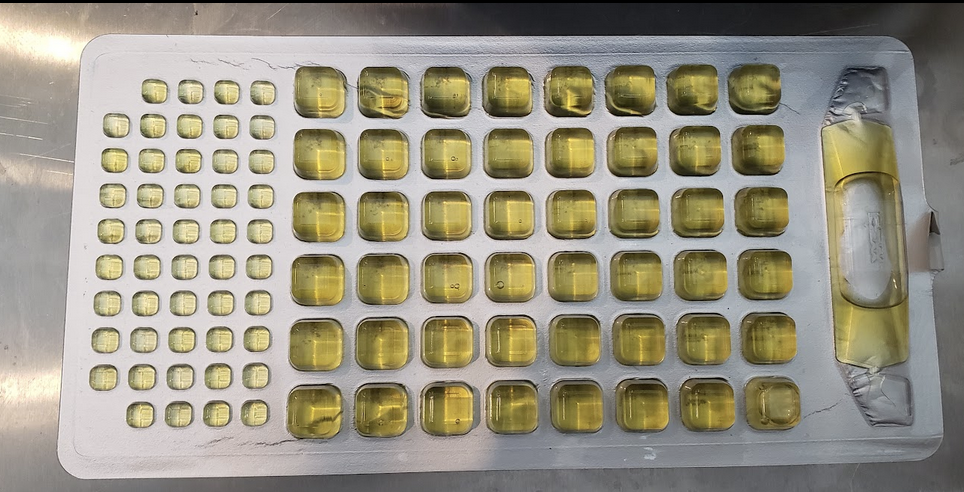
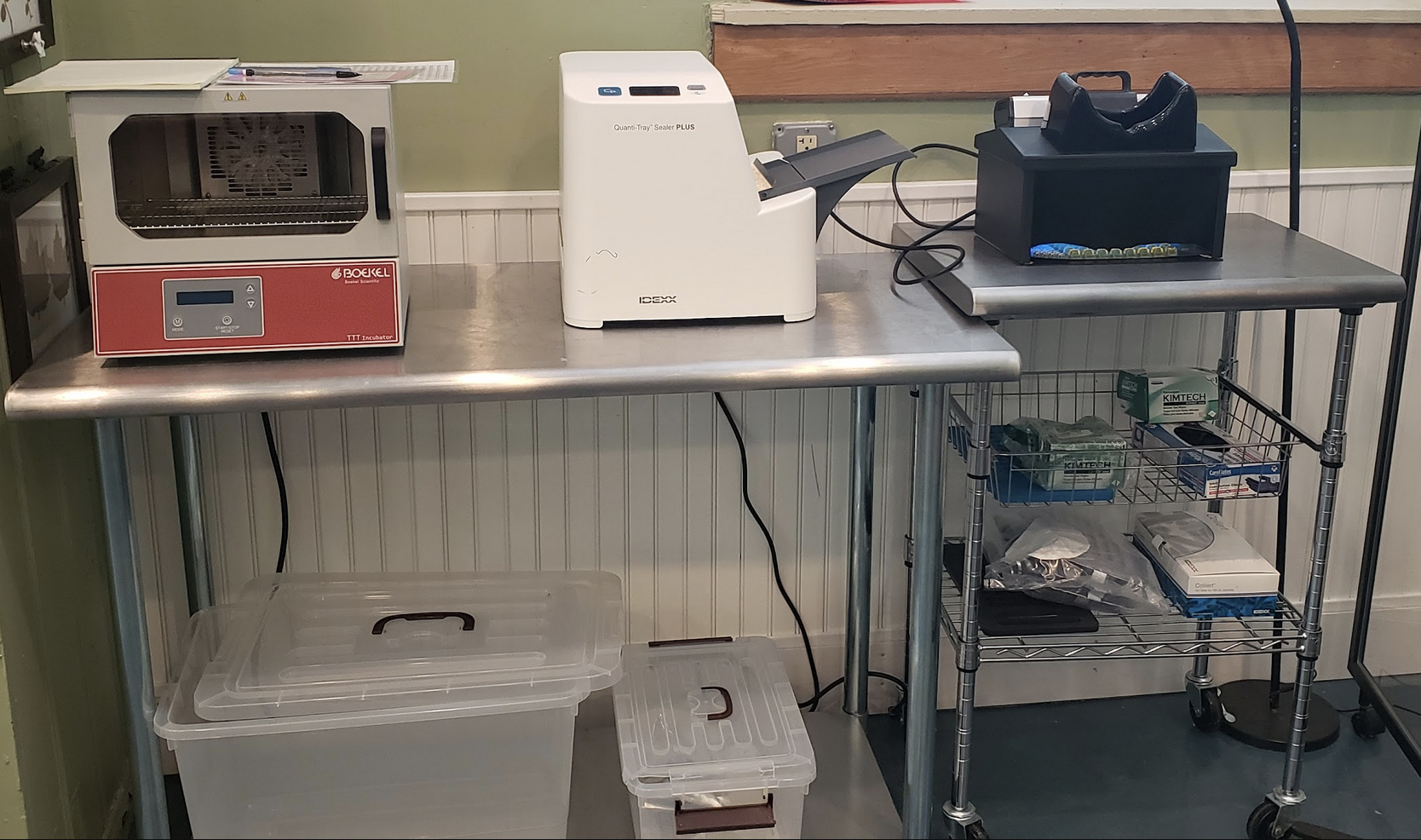
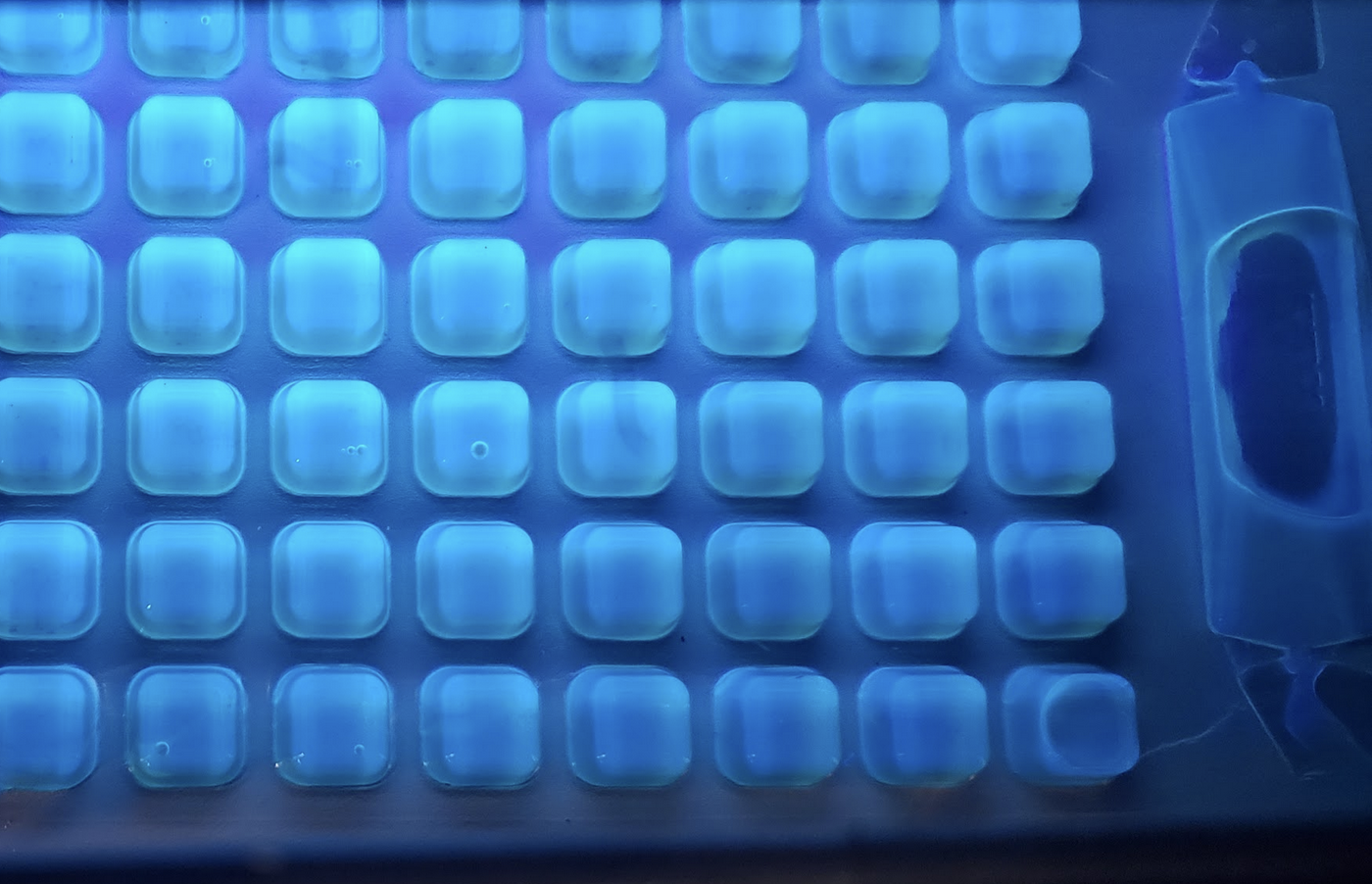
The bacteria we use as an indicator species is E. coli because its presence within a freshwater stream signals that more harmful pathogens are potentially present. While this strain of E. coli does not cause serious illness, Gunpowder RIVERKEEPER® can culture them easily and relatively cheaply using the EPA approved IDEXXX Qunati-Tray/2000 method to determine a value in Most Probable Number (MPN). If the MPN of a sample crosses the EPA safe swimming threshold of 235MPN for a single sample it is estimated that 36 individuals out of 1000 swimmers may contract a water-borne gastroenteritis illness ( Maryland Department of the Environment’s fact sheet on the EPA’s water quality criteria)
So How Does It Get in the Water?
Coliforms are universally present in the feces of warm-blooded animals: humans, other mammals, birds, and one weird lizard from Argentina. Waterfowl such as ducks and geese excrete this waste into or adjacent to water bodies. The same goes for deer, skunks, squirrels, and all the other varmints that live in the ecosystem. When this waste is spread throughout the forests and meadows, it has time to cool off and dissipate into the soil. However, when rain events result in large amounts of runnoff, whether because of the increased severity of storms due to climate change, loss of vegetative buffers and soil stability, or nonporous such as concrete and asphalt surfaces channeling large amount runnoff into small areas in a short time, the accumulated waste on lands get picked up and deposited into the river. And so, the coliforms present in all types of animal waste wind up in the waterways.
Humans also play a role in increasing the bacterial load. Bathing in water without showering beforehand can lead to bacteria in the water. This is why most swimming pools require, if not enforce, a pre-swim shower. Increased use by bathers and tubers can lead to coliform presence in the water. Humans on the water’s edge can also inadvertently add coliforms to the water if they don’t properly dispose of their pet waste while they walk their dogs. Human waste also has the potential to leach into the waterways from leaky septic tanks and sewer systems. Baltimore City residents are familiar with this from when the Jones Falls rises high enough to affect the aging city sewer lines. And so, coliforms present in human and pet waste wind up in the waterways.
Agricultural runoff could also lead to increased coliform levels. When farmers spread too much manure to fertilize, or fertilize at the wrong time before a rain event, livestock waste can runnoff into the watershed. In large-scale animal feeding operations, manure can accumulate in pastures and pens to run off if not properly collected and disposed of before major rain events. And so, coliforms present in cow, chicken, and other livestock waste wind up in the waterways.
Why Don’t We Know for Sure?
While the technology exists to do “source-tracking” for where these bacteria come from before they enter the water, the practice is time-consuming and costly. Gunpowder RIVERKEEPER® has collected samples for the past several years to analyze for the e-DNA (genetic material that sticks around in the environment, such as the water), we only have results from 2022. Even these results showed only human-derived e-DNA. The overwhelming presence of people-parts, these tiny strands of nucleic acids, makes it impossible to tell if the e-DNA came from E. coli from people swimming, tubing, or flushing their toilets, or just straight from people dipping their toes in the water.

So What Can We Do About It?
A lot! Monitoring the conditions are just the first step to helping users recreate safely on the river.
- Properly maintain your home septic system: have your system serviced to prevent overflows, and never flush anything that could damage the septic field.
- Report sewer problems to Baltimore County Here or Harford County Here.
- Pick up your pet waste. Dog poo is a pollutant and can accumulate in high-use areas if not bagged, collected and disposed of in the trash. Reference New York City’s sidewalks after 2026’s deep freeze in February. Don’t leave those bags around either, that’s littering!
- Fertilize smart. If you spread manure to fertilize your plants, do so sparingly, and not before a predicted rain event. Less is more when it comes to fertilizer, as excess can wind up in the water and cause many problems like algal blooms which can kill fish and smother aquatic vegetation.
- Manage your stormwater runnoff: install a rain barrel or a rain garden to absorb stormwater before it can collect pollutants and run off into the river. Consider porous alternatives to patios, driveways, and walkways. Plant trees and native plants to prevent erosion. Talk to our friends at Gunpowder Valley Conservancy if you need help getting started.
- Volunteer with us: Donate your labor to learn more about ways to help and to expand our capacity for monitoring.
- Help support our work: Donate your dollars to fund staff time, lab time, and materials necessary for water quality monitoring.
- Follow us on social media and share our results to help spread awareness of this important issue.
Be sure to check our weekly update if you’re planning to recreate in the water and don’t forget to follow us on social media to keep an eye on when the conditions might be favorable and for other exciting news and opportunities.