
A proposed rule by the Fish and Wildlife Service (FWS) and the National Oceanic and Atmospheric Administration (NOAA) on November 21, 2025 seeks to revise portions of section 4 of the Endangered Species Act of 1973. Section 4 describes the process in which a species is determined to be “threatened” or “endangered” under the guidelines of the of the Endangered Species Act and how critical habitat is designated for listed species.
With this proposal, the FWS wants to change the process in which protections and regulations are determined for species that are deemed threatened or endangered. This new process would involve tailoring species specific regulations at the time of listing. The time and resources required to determine and create tailored regulations could slow down the process of a species being listed and prevent proper action from being taken and thus putting certain species at much greater risk.
On December 22, 2025 Gunpowder RIVERKEEPER® submitted a public comment to the U.S Fish and Wildlife Service stating our opposition to the proposed revisions and reasoning behind it.
Dear Director Nesvik,
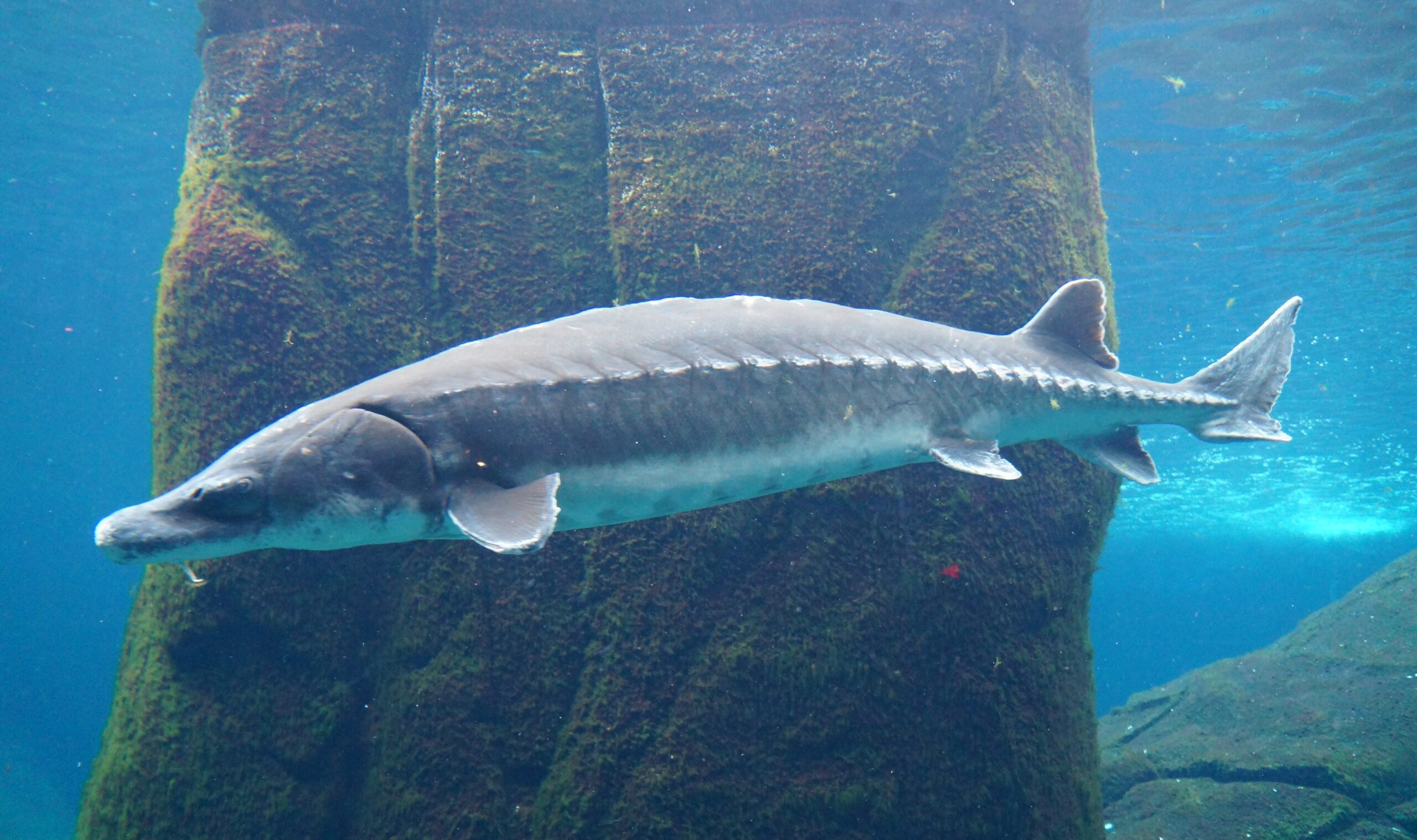
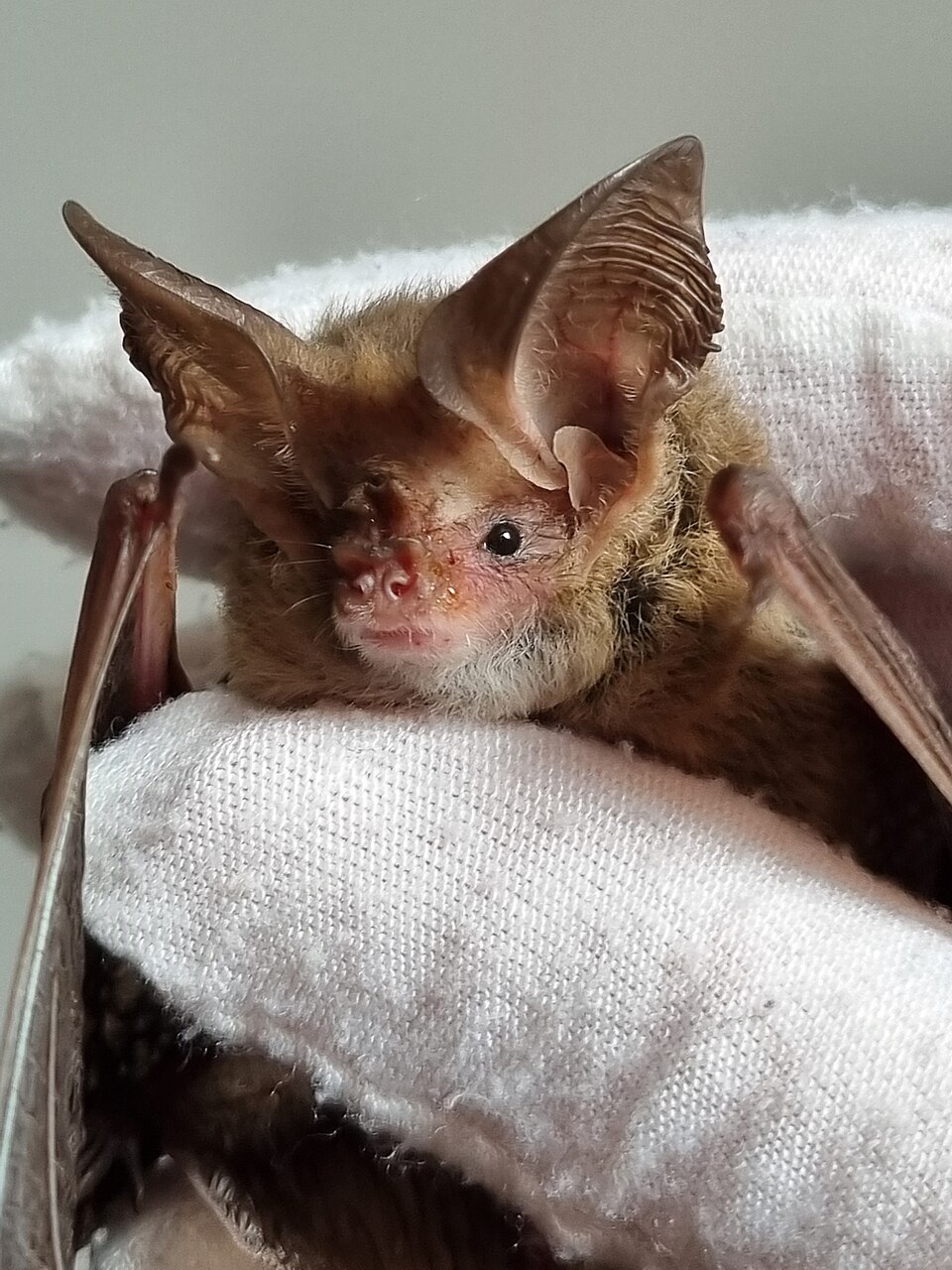
We submit this public comment in strong opposition to U.S. Fish and Wildlife Service (FWS) and the National Marine Fisheries Service’s (NMFS) proposed revision to regulations for section 4 of the Endangered Species Act of 1973, as amended (hereinafter “ESA”). In particular, we write out of concern for how this revision would impact already imperiled species, such as Atlantic Sturgeon, Bog Turtles and Long Eared Bats.
Gunpowder RIVERKEEPER® is concerned that the proposed rule conflicts with the purpose of the Endangered Species Act.
“The Endangered Species Act was created to prevent extinction and recover species using the best available science. Critical habitat is a core tool of that mission… This proposed rule shifts the balance away from conservation and toward short-term economic interests, undermining the intent of the law and placing already-imperiled aquatic species at even greater risk.”
The Gunpowder, Bird, Bush, and Middle River watershed is critical habitat for a variety of sensitive aquatic species which are being threatened in several Maryland and Pennsylvania counties.
“Local waterways, tributaries, wetlands, and downstream river systems provide essential habitat for endangered and threatened fish, freshwater mussels, amphibians, and aquatic insects. Pollution, including temperature for cold water obligates, altered stream flow, sediment runoff, and habitat fragmentation directly affect their survival. With State Threatened Eastern Brook trout losing the ability to survive in watershed areas that are as little as 5% impervious surface, strong critical habitat protections are often the only safeguard against these threats.“
Aquatic habitat loss that would occur due to these proposed changes would have irreversible consequences.
“The proposed rule allows greater emphasis on economic and development considerations when deciding whether to exclude areas from critical habitat. In highly developed regions like Baltimore, Carroll, Harford Counties, Maryland and York and Adams Counties, Pennsylvania , this means aquatic habitats are more likely to be excluded simply because protection is seen as inconvenient or costly. This approach ignores the reality that:
- Even small stream segments can be critical for species survival
- Upstream development directly affects downstream aquatic life
- Once water quality is degraded, recovery is slow or impossible
Aquatic ecosystems function as connected systems. Removing protections from one area can harm species many miles away.”
Gunpowder RIVERKEEPER® submitted the following in closing:
“We urge the FWS and NMFS to uphold the ESA’s science-based, recovery-oriented mandate and to withdraw this proposal which, if approved in its current form, will create immediate and irreparable harm to the Gunpowder Riverkeeper’s organizational and supporter’s interests in protecting water quality and sensitive species.”
