
Wednesday June 10th, 2026 Gunpowder RIVERKEEPER® staffer Joe Ottomano met with MDNR Natural Resources Biologists Marek Topolski and Mark Lewandowski to paddle down the Bird River and several side creeks to collect the invasive Eurasian Water Chestnut plants: Trapa Natans.
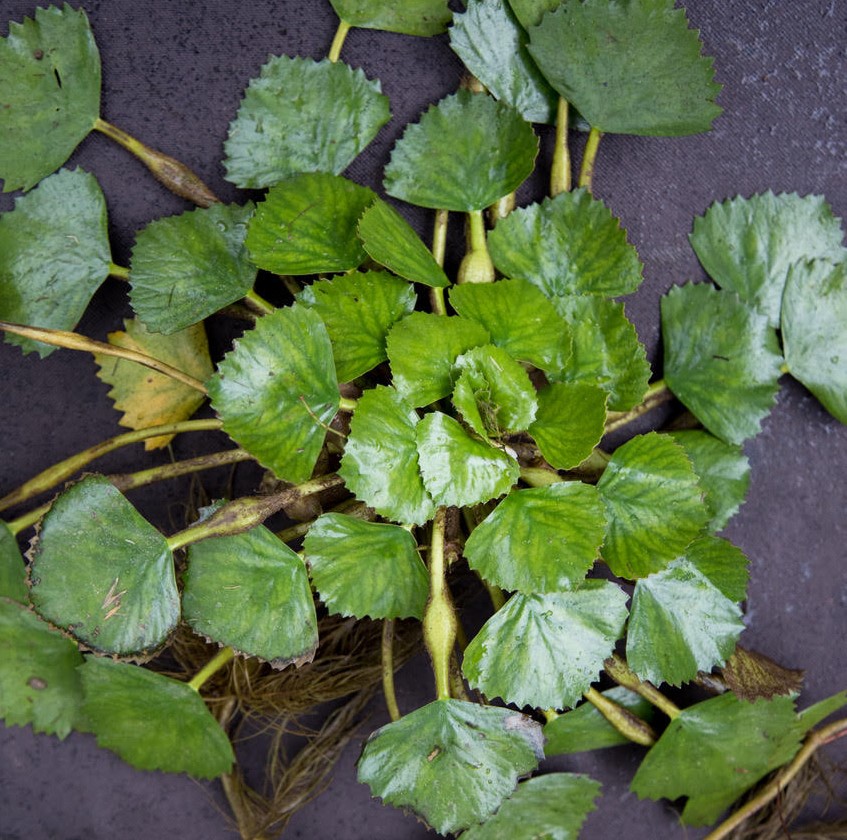
According to Maryland’s Aquatic Invasive Species website:
This aggressive species is a prolific reproducer. One acre of water chestnut can produce enough seeds to cover 100 acres the following year. With four hard half-inch long spines that are sharp enough to penetrate shoe soles and large enough to keep people off beaches, water chestnut seeds are major hazards to water contact recreation
To prevent these plants from spreading, Mark and crew have been engaging volunteers to help remove the plants from several locations along the river. Earlier this week, they harvested nearly a bushel from local streams and will have to go back to that location again to finish. Our two hour paddle on Wednesday only netted a few dozen plants: clear evidence that the removal efforts over the past years is having a noticeable impact.
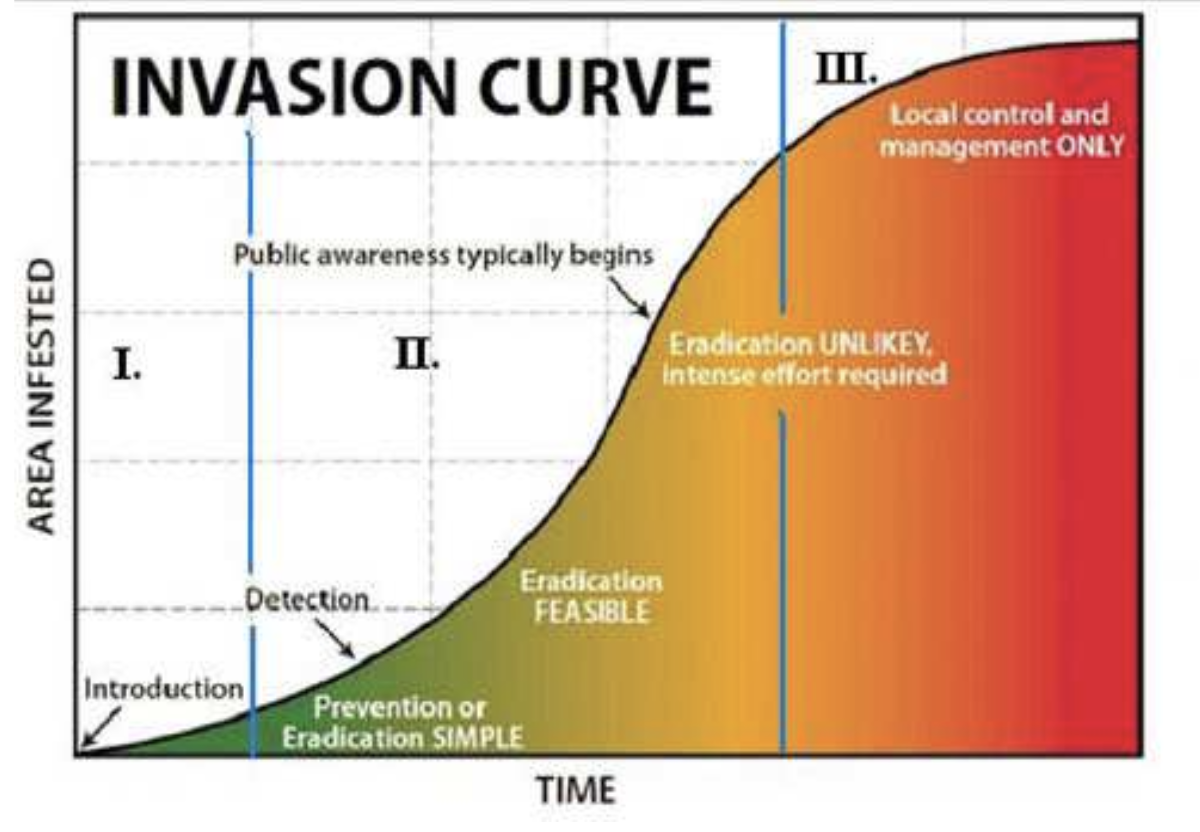
With fewer than average invasive Trapas to collect, we talked about other projects, such as the effort to remove Hydrilla from Deep Creek Lake which has made great strides from thirteen major areas of concern when they started applying herbicide over a dozen years ago to only one remaining off that initial list. The diagram above, The Invasion Curve, demonstrates the value of early detection and importance of raising public awareness before an invasive species can become too well established.
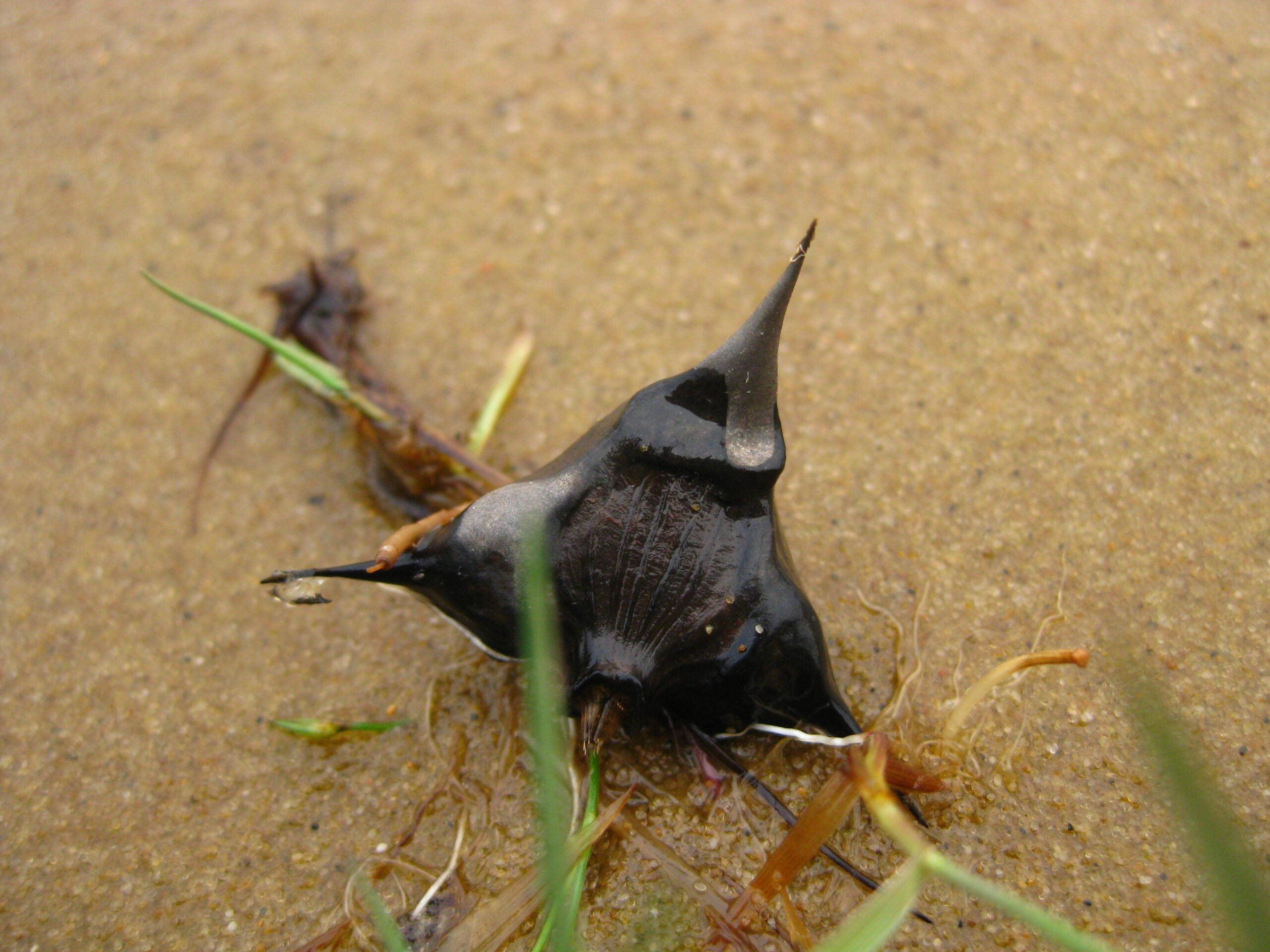
If you notice any of the distinctive rosettes of leaves floating as you paddle, swim, or otherwise spend time near the water, be sure to pull it out and toss it on the bank where it can’t be washed back into the water. If you’re careful, you can ease the seed pod out of the substrate without breaking the stem to fully remove the plant and prevent it from regrowing in a subsequent season. Be careful with the seedpod: they’re called “caltrops” for a reason! (Caltrops are spiky bits used in war to disrupt the enemy’s troop movements, especially if that enemy has tires to puncture in modern times, or cavalry like horses, elephants, and camels back in the day).
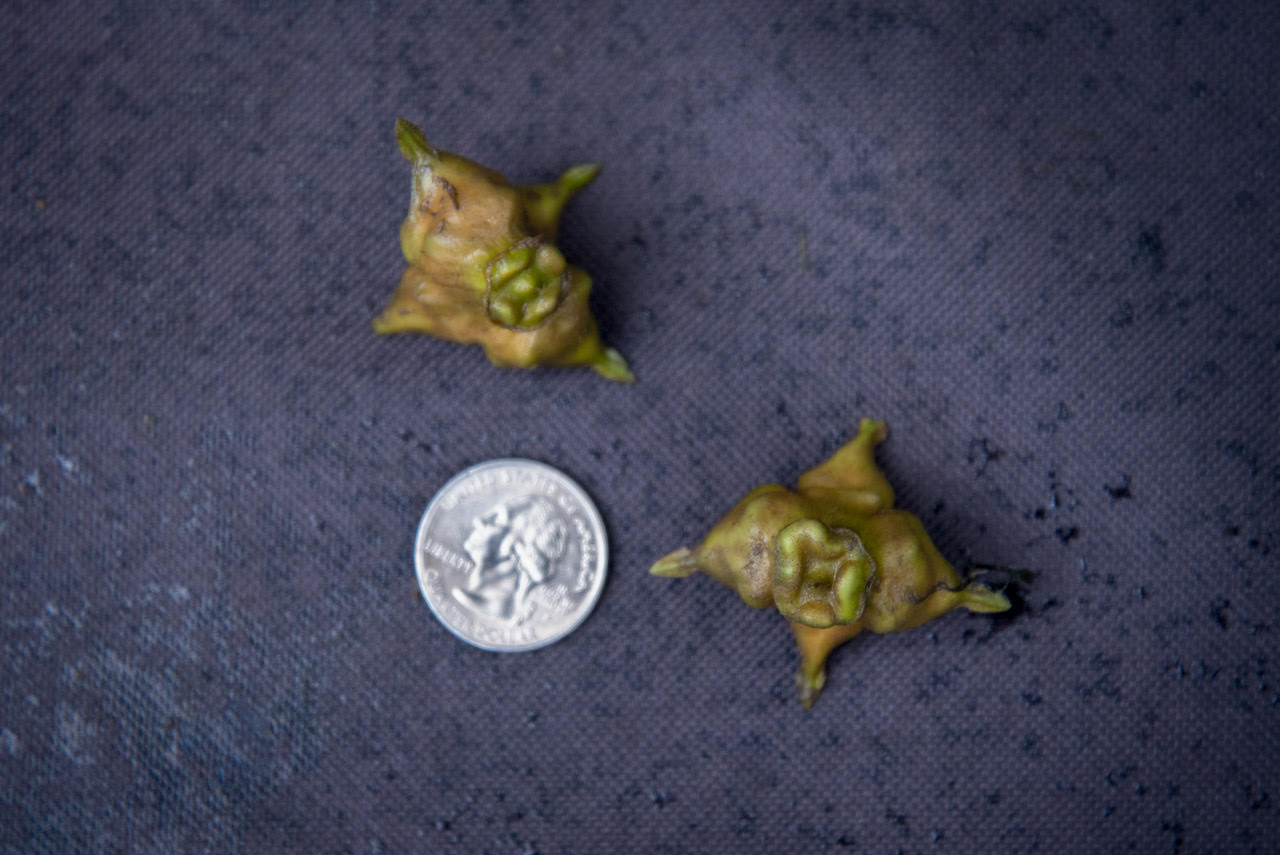
Thanks to Mark and Marek from Maryland Department of Natural Resources for the invitation to help reduce the spread of this hazardous nuisance species and to hear about all the good work getting done across the state to protect our shared waterways.